
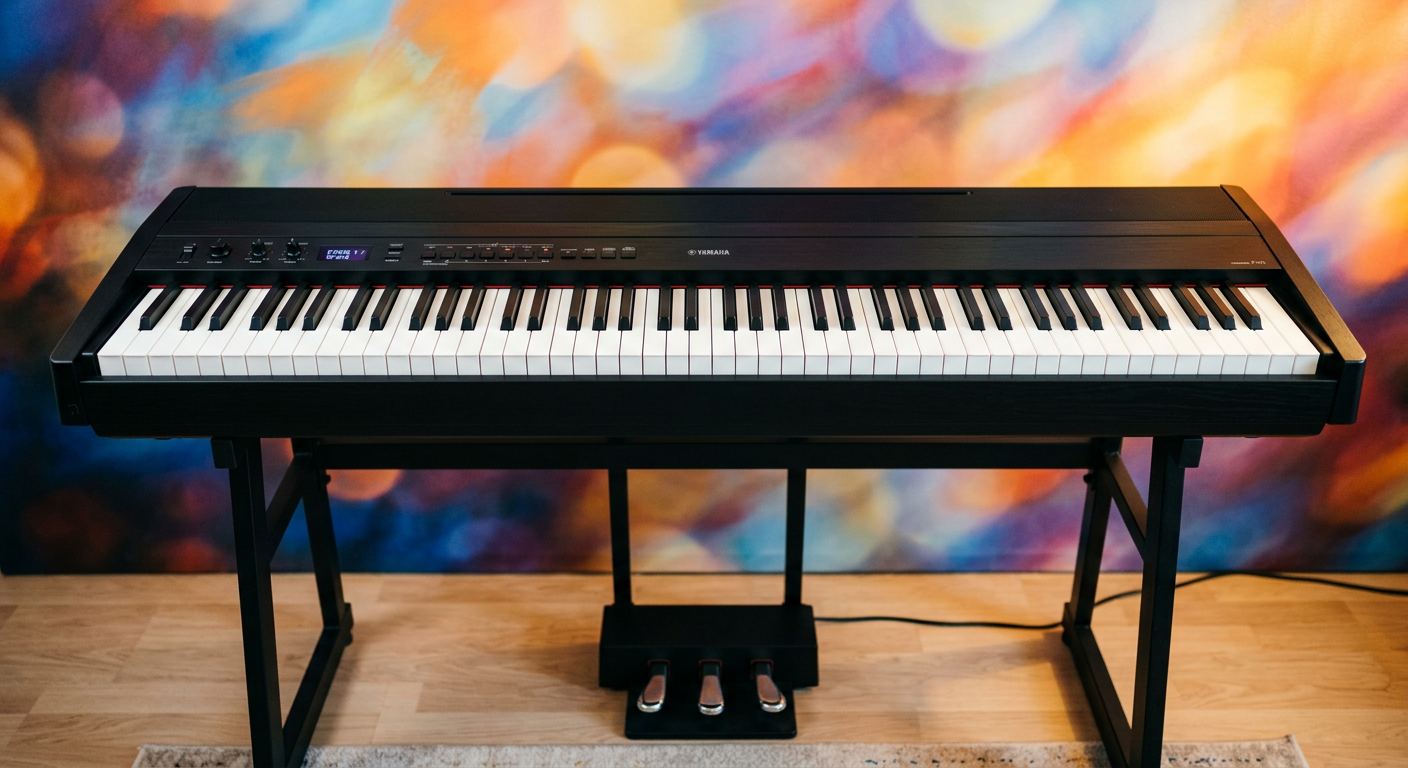
How to Choose a Beginner Keyboard for Online Piano Lessons
Starting piano lessons is an exciting milestone, but stepping into a music store or browsing online can quickly feel overwhelming. There are thousands of options available, and for a beginner, it is difficult to know what features actually matter.
Because our platform connects students with professional instructors for online learning, we see every type of setup imaginable. The good news is that you do not need an expensive, heavy acoustic piano to learn successfully from home. Modern digital instruments are affordable, space-saving, and highly effective for learning.
However, if you want to set yourself or your child up for long-term success, we strongly recommend choosing a full-sized, 88-key instrument right from the start.
Here is an unbiased buyer’s guide on why 88 keys matter and what else to look for when choosing your beginner setup.
Why We Recommend 88 Keys From Day One
A standard, traditional piano has exactly 88 keys. While you might see smaller 61-key or 76-key keyboards in stores, starting on a smaller instrument presents a few major roadblocks:
- You Will Outgrow It Quickly: Many beginner method books and popular songs quickly utilize notes that sit outside a smaller keyboard’s layout. Buying a smaller keyboard often means you will have to spend money all over again on a replacement within 6 to 12 months.
- Confusing Layouts: Smaller keyboards shift or eliminate the natural visual markers that pianists use to find notes. Starting on a full 88-key layout ensures your spatial awareness and muscle memory are correct from your very first lesson.
The Two Best 88-Key Options for Beginners
Since you are looking for an 88-key instrument, your options will generally fall into two brand-neutral categories depending on your budget:
1. Semi-Weighted 88-Key Keyboards
These are lightweight, highly portable, and budget-friendly.
- What they feel like: The keys are full-sized, but they offer lighter physical resistance when pressed.
- What to look for: Ensure the model features “touch-sensitive keys.” This means the instrument plays quietly when pressed gently and louder when pressed firmly, which is essential for learning musical expression.
2. Fully-Weighted 88-Key Digital Pianos
These are engineered specifically to mimic the physical mechanics and sound of an acoustic piano as closely as possible.
- What they feel like: The keys feature “hammer action” or “weighted action.” They offer realistic physical resistance, which is absolutely critical for building proper hand posture, finger joints, and technical strength.
- Who they are best for: Students of all learning stages—including absolute beginners. Starting a student of any age on weighted keys is highly recommended. It ensures they build the correct finger strength right from their very first lesson, seamlessly preparing them to play on any piano, anywhere.
2 More “Non-Negotiable” Features You Need
Once you confirm the instrument has 88 full-sized keys, make sure it ticks these two practical boxes before buying:
- Sustain Pedal Input: As a student progresses, they will eventually need to use a foot pedal to make notes sustain smoothly. Ensure there is a plug labeled “Sustain” or “Damper” on the back of the instrument.
- Headphone Jack: One of the greatest benefits of a digital setup is the ability to plug in headphones. This allows students to practice at any time of day or night without disrupting the rest of the household.
Why Digital Instruments Excel for Online Learning
While traditional acoustic pianos are beautiful, digital instruments offer massive practical advantages for taking online lessons:
- Perfect Camera Placement: Because you are using a digital keyboard, it is incredibly easy to position your laptop, tablet, or webcam right next to your setup. This allows your online teacher to get a clear, unobstructed view of your hand technique and posture over Zoom.
- Always in Tune: Digital instruments never require tuning, saving you hundreds of dollars in annual maintenance costs.
- Space-Saving: They fit seamlessly into small bedrooms, apartments, or shared living spaces.
Ready to Take the First Step?
Investing in a full-sized, 88-key instrument from the start removes future barriers and gives you the exact setup you need for years of musical growth. The gear doesn’t make the musician—consistent practice and the right guidance do.
Once your keyboard is set up in your home, the next step is finding the perfect mentor to help you or your child succeed.