


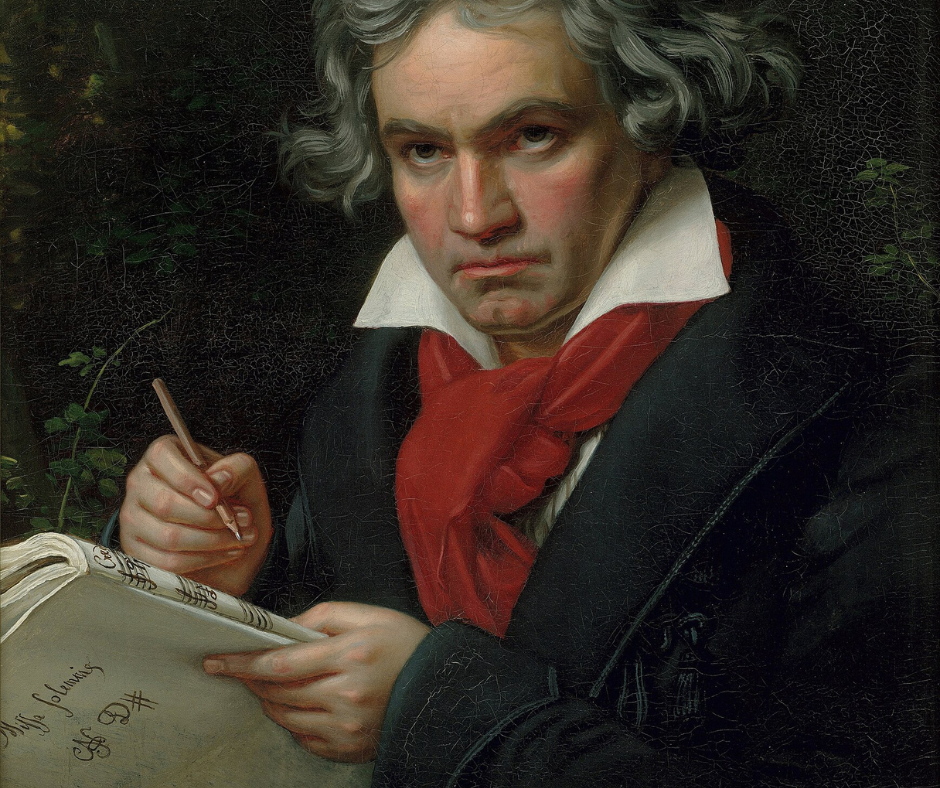
Few names in music history carry the weight, influence, and enduring power of Ludwig van Beethoven. More than just a composer, Ludwig van Beethoven was a revolutionary pianist whose work reshaped classical music and permanently altered how the piano could be used as an expressive instrument. His life story is one of struggle, defiance, genius, and transformation, making him one of the most fascinating figures ever to sit at the keyboard.
This in-depth pianist spotlight explores Ludwig van Beethoven’s life, his family background, his piano works, inspirations, practice habits, personal challenges, and the lasting legacy he left behind. Whether you are a pianist, music lover, or curious beginner, understanding Ludwig van Beethoven offers profound insight into both music and human resilience.
Early Life And Family Background
Ludwig van Beethoven was born in December 1770 in Bonn, a city that was then part of the Electorate of Cologne. His family was deeply rooted in music. His grandfather, also named Ludwig van Beethoven, was a respected court musician and served as Kapellmeister. This legacy set high expectations from an early age.
Beethoven’s father, Johann van Beethoven, was a singer and instrumentalist who recognized his son’s talent early on. However, Johann’s approach to training Ludwig van Beethoven was often harsh. Determined to mold his son into a child prodigy similar to Mozart, Johann subjected him to long, exhausting practice sessions, sometimes late into the night. These early experiences shaped both Beethoven’s technical foundation and his complex personality.
Despite the difficulties, Ludwig van Beethoven showed remarkable musical promise. By his early teens, he was already working as a court musician, contributing financially to his family.
Beethoven’s Early Piano Training And Influences
Ludwig van Beethoven’s earliest piano training came from his father, but his most significant early mentor was Christian Gottlob Neefe, a respected composer and organist. Neefe introduced Beethoven to the works of Bach, particularly The Well-Tempered Clavier, which profoundly influenced Beethoven’s understanding of harmony and counterpoint.
As a pianist, Ludwig van Beethoven was known for his strong touch, dramatic contrasts, and emotional intensity. Unlike many of his contemporaries, he favored expressive power over polished elegance. Even at a young age, his piano playing stood out for its boldness and originality.
In his late teens, Beethoven traveled briefly to Vienna, where he may have met Mozart. Although their interaction was short, the experience further fueled Beethoven’s ambition. Vienna would later become his permanent home and the center of his creative life.
Moving To Vienna And Rising As A Pianist
In 1792, Ludwig van Beethoven moved to Vienna to study with Joseph Haydn, one of the most celebrated composers of the Classical era. Vienna was the musical capital of Europe, and Beethoven quickly made a name for himself as a virtuoso pianist.
As a performer, Ludwig van Beethoven was renowned for his improvisational skills. Audiences were captivated by his ability to invent complex, emotionally charged music on the spot. His piano playing was intense, unpredictable, and powerful, often pushing the instrument beyond what listeners thought possible.
During this period, Beethoven published many of his early piano works, including piano sonatas that already hinted at a bold new musical direction. His reputation as both a pianist and composer grew rapidly.
Beethoven’s Relationship With The Piano
The piano was central to Ludwig van Beethoven’s creative identity. He lived during a time when the piano itself was evolving, becoming stronger, louder, and more expressive. Beethoven embraced these changes and often demanded more from the instrument than it could comfortably deliver.
Many of his piano compositions feature:
- Wide dynamic contrasts
- Sudden shifts in mood
- Powerful chords and rapid passages
- Deep emotional expression
Ludwig van Beethoven did not write piano music merely to sound beautiful. He used the piano to communicate struggle, triumph, anger, tenderness, and defiance. His piano works expanded the emotional vocabulary of music forever.
Famous Piano Works By Ludwig van Beethoven
Ludwig van Beethoven composed 32 piano sonatas, many of which are considered cornerstones of piano repertoire. These works span his entire career and reflect his artistic evolution.
Some of his most famous piano pieces include:
- Piano Sonata No. 8 in C minor, “Pathétique”
- Piano Sonata No. 14 in C-sharp minor, “Moonlight”
- Piano Sonata No. 21 in C major, “Waldstein”
- Piano Sonata No. 23 in F minor, “Appassionata”
- Piano Sonata No. 29 in B-flat major, “Hammerklavier”
Each of these works showcases a different aspect of Ludwig van Beethoven’s musical personality, from lyrical beauty to explosive intensity.
In addition to sonatas, he composed bagatelles, variations, and shorter piano works that remain widely played today.
Beethoven’s Hearing Loss And Its Impact
Perhaps the most well-known aspect of Ludwig van Beethoven’s life is his gradual loss of hearing. Symptoms began in his late twenties and worsened over time. For a pianist and composer, this was a devastating blow.
Beethoven struggled deeply with his condition, as revealed in personal letters, including the famous Heiligenstadt Testament. Despite despair and isolation, Ludwig van Beethoven refused to give up music.
Remarkably, many of his greatest piano works were composed after his hearing loss had become severe. He relied increasingly on his inner ear, imagination, and theoretical understanding rather than physical sound.
His ability to continue composing under these circumstances remains one of the most extraordinary achievements in music history.
Practice Habits And Work Ethic
Ludwig van Beethoven was known for his relentless work ethic. He revised his compositions obsessively, often producing numerous drafts before finalizing a piece. His notebooks reveal constant experimentation, revision, and refinement.
As a pianist, Beethoven practiced not only technique but expression. He was less concerned with flawless execution and more focused on emotional truth. This philosophy influenced generations of pianists who followed.
He believed that music should come from deep inner necessity rather than surface beauty.
Inspirations And Musical Style
Ludwig van Beethoven drew inspiration from many sources:
- Classical forms established by Haydn and Mozart
- Baroque counterpoint, especially Bach
- Nature, solitude, and long walks
- Personal struggle and inner conflict
His style bridged the Classical and Romantic eras. Early works follow classical structures, while later works break boundaries with expanded forms, bold harmonies, and profound emotional depth.
Beethoven’s piano music, in particular, laid the foundation for Romantic composers like Chopin, Liszt, and Brahms.
Personality And Interesting Facts
Ludwig van Beethoven was known for his strong personality. He could be warm and generous but also blunt, stubborn, and socially awkward. He valued artistic integrity above all else and refused to compromise his music for popularity.
Interesting facts about Ludwig van Beethoven include:
- He loved taking long walks to generate musical ideas
- He often poured water over his head while composing
- He was notoriously messy and disorganized
- He never married, despite several intense romantic attachments
- He continued composing until his death in 1827
These traits contribute to the mythic image of Beethoven as a fiercely independent genius.
Beethoven’s Lasting Legacy
The influence of Ludwig van Beethoven on piano music cannot be overstated. He expanded the technical, emotional, and expressive possibilities of the piano more than any composer before him.
Modern pianists still study his works as essential training in:
- Technique
- Musical structure
- Emotional depth
- Artistic interpretation
Ludwig van Beethoven remains a central figure in music education, concert performance, and cultural history worldwide.
FAQ
Was Ludwig van Beethoven primarily a pianist or composer?
He was both, but he was especially famous as a pianist early in his career.
Did Ludwig van Beethoven compose after losing his hearing?
Yes, many of his greatest works were written during periods of severe hearing loss.
Why is Beethoven so important for pianists?
He transformed the piano into a deeply expressive and powerful instrument.
How many piano sonatas did Beethoven write?
Ludwig van Beethoven composed 32 piano sonatas.
What era did Beethoven belong to?
He bridged the Classical and Romantic periods of music.

 I love playing piano, creating new melodies and songs, and further developing my online piano course and making updates/additions to my site OnlinePianoLessons.com!
  Now that is what I call fun!