Get Full Access (Only $5/mo)

The G major chord is one of the most common and useful chords you’ll ever learn on the piano. Whether you’re exploring pop, classical, country, jazz, or worship music, the Gmaj chord shows up everywhere because of its bright, uplifting, and stable harmonic quality. In this definitive guide, you’ll learn exactly how the G major chord works, what notes it contains, how to play it confidently, how it functions within the key of G major, and how to take your skills further by practicing chord variations, inversions, and progressions on the piano. By the end, you’ll understand the G major chord so thoroughly that using it in real songs will feel natural and intuitive.
Before diving into advanced applications, let’s start with the basics: what makes a Gmaj chord a major chord, how it is built, and how it feels under your fingers on the piano.
What Is a G Major Chord?
A G major chord is built from three notes: G, B, and D. These three notes together form what is called a “major triad.” A Gmaj chord sounds bright, open, and confident—qualities that make it popular across many genres played on the piano.
To build a G major chord, you take the root note (G), add a major third (B), and add a perfect fifth (D). This 1–3–5 structure is the foundation of almost every major triad on the piano. When you press G–B–D together, you hear the familiar, strong sound that defines the G major chord, and this chord becomes your gateway into understanding harmony more deeply.
How the G Major Chord Works
The Gmaj chord has a very specific sound because of the intervals between its notes. From G to B is a major third, and from B to D is a minor third. This combination of intervals—major third on the bottom, minor third on top—is what creates the major quality. If you play the G major chord on the piano and gently arpeggiate the notes, you’ll hear the balance and clarity that make the Gmaj chord so important in music theory.
Another thing that makes the G major chord useful on the piano is its versatility. G–B–D fits perfectly in many chord progressions, including G–C–D, G–Em–C, and G–D–Em–C. Because the Gmaj chord resolves naturally to C major and works beautifully with chords like E minor and D major, you’ll quickly see why it’s one of the first chords beginners learn on the piano.
How to Play the G Major Chord on the Piano
Playing the G major chord on the piano in root position is simple: put your thumb on G, your middle finger on B, and your pinky on D (if you’re using the right hand). For left-hand playing, use your pinky on G, middle finger on B, and thumb on D. This basic hand shape is one you’ll revisit constantly as you explore other triads on the piano.
Because the Gmaj chord uses white keys only, it’s a great chord to practice early on. It also helps you develop hand coordination as you move between other chords on the piano. Once you’re comfortable with G–B–D, you can start practicing switching smoothly from the G major chord to common neighbors like C major and D major.
Understanding G Major Chord Inversions
Inversions make the G major chord easier to play in different musical situations, especially when moving between chords smoothly on the piano. Instead of always playing the root position G–B–D, you can rearrange the notes while still keeping the character of the Gmaj chord.
First Inversion: B–D–G
Put B on the bottom. This version of the G major chord is useful when transitioning from chords like E minor or C major on the piano.
Second Inversion: D–G–B
Put D on the bottom. This inversion helps when moving from D major or A minor into the Gmaj chord within a progression on the piano.
Practicing inversions helps you voice chords more smoothly and reduces hand movement. This is a crucial skill when playing faster progressions on the piano or when improvising.
The G Major Chord in the Key of G Major
The key of G major contains one sharp: F#. The G major chord is the I chord in this key, meaning it’s the chord that feels like “home.” When you play a progression starting and ending on the Gmaj chord, your ear experiences stability and completeness.
Here are the diatonic chords in the key of G major:
- I – G major
- ii – A minor
- iii – B minor
- IV – C major
- V – D major
- vi – E minor
- vii° – F# diminished
Notice how many of these chords work effortlessly with the G major chord on the piano. For example, G → C → D → G is one of the most famous progressions in music history. When you play these chords on the piano, you’ll feel why the Gmaj chord is essential for creating musical flow.
What G Major Chords Sound Like
The G major chord has a sound that many musicians describe as cheerful, clear, and uplifting. Whether played softly on the lower half of the piano or brightly in the upper register, the Gmaj chord maintains its strong sense of stability. This is one reason it’s so prevalent in folk music, worship music, acoustic pop, and educational beginners’ material on the piano.
Arpeggiating the G major chord gives it a gentle, harp-like sound, while playing it solidly creates a sense of finality. The Gmaj chord is frequently the last chord in songs written in G major because of the satisfying resolution it brings on the piano.
Additional Chords to Explore in G Major
If you’re learning the G major chord, it’s helpful to also practice the other main chords in the key of G major. On the piano, these will help you create full progressions and understand how the Gmaj chord fits into a larger harmonic world.
Useful chords to add:
- C major (IV)
- D major (V)
- E minor (vi)
- A minor (ii)
When you combine these with the G major chord, you unlock the full emotional palette of the key. Practicing these progressions on the piano will make the Gmaj chord feel even more intuitive.
Practical Ways to Practice G Major Chords on the Piano
Here are several effective ways to practice the Gmaj chord and improve your piano fluency:
1. Play Broken Chords
Arpeggiate G–B–D repeatedly for both hands. This builds finger independence on the piano.
2. Practice Smooth Transitions
Move from the G major chord to C major and back. Then try G → D → Em → C. Repeat until switching feels effortless on the piano.
3. Learn Simple Songs
Many beginner pieces in G major rely heavily on the Gmaj chord, helping reinforce it naturally on the piano.
4. Try Chord Inversions
Practicing inversions strengthens your understanding of how the G major chord behaves across the piano keyboard.
5. Add Rhythmic Patterns
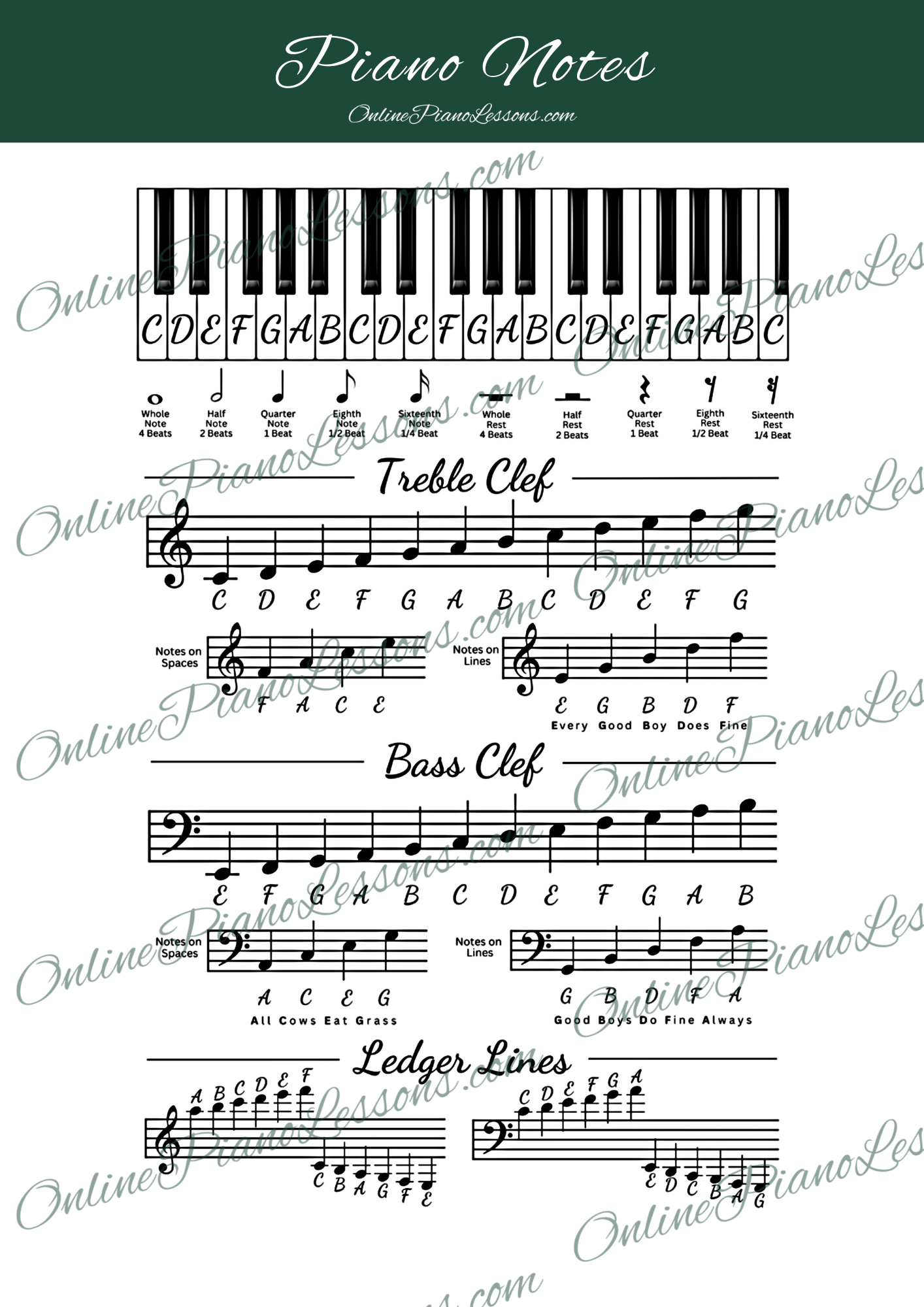
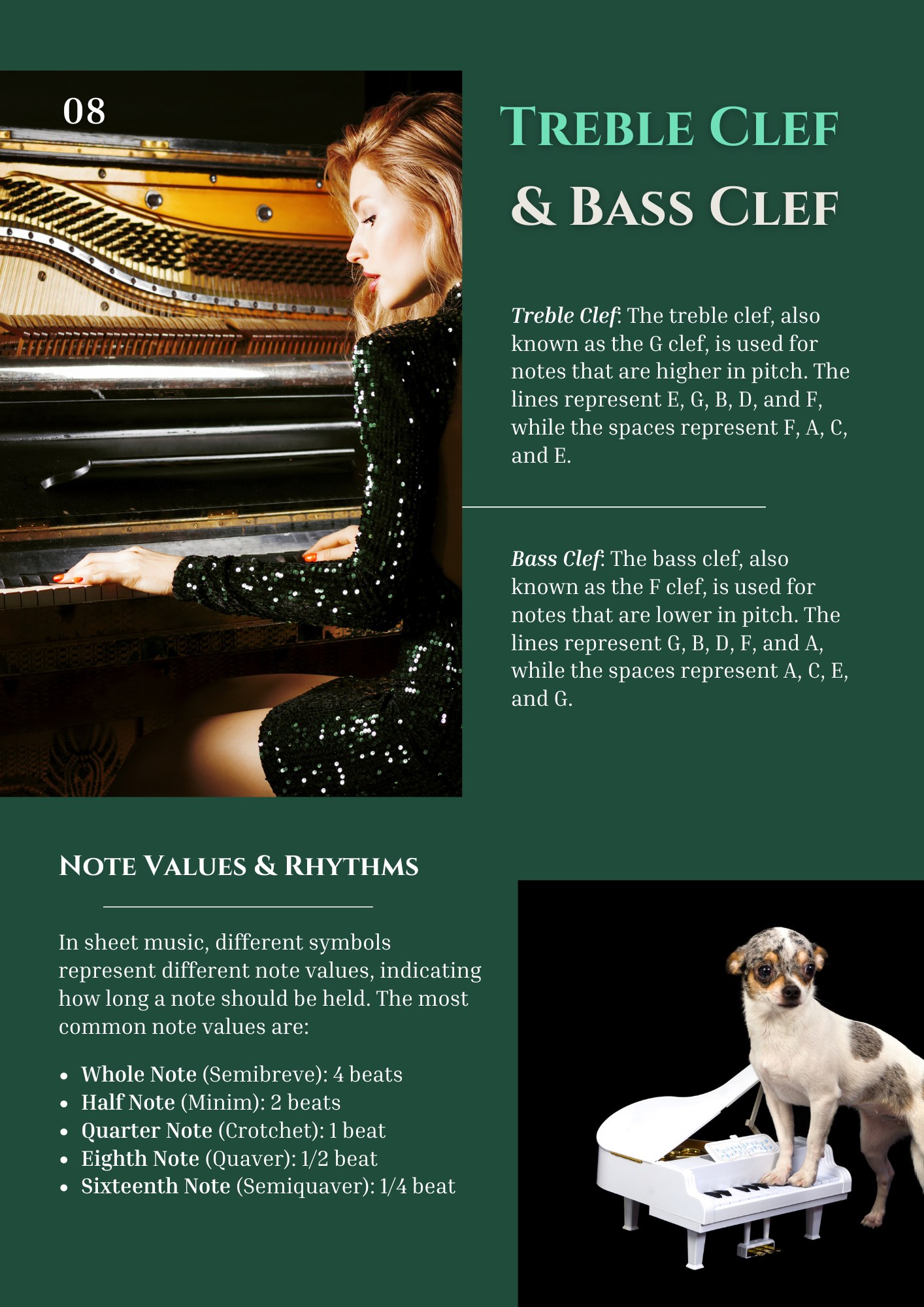
Play the Gmaj chord in different rhythms—whole notes, half notes, quarter notes—to build versatility and timing.
These exercises will help you integrate the G major chord into your playing while improving your overall piano musicianship.
FAQ
What notes are in the G major chord?
The notes are G, B, and D.
Is the Gmaj chord easy to play on the piano?
Yes. The Gmaj chord is made of three white keys, making it beginner-friendly on the piano.
How can I make the G major chord sound more interesting?
Try inversions, arpeggios, different rhythms, pedal techniques, and adding extensions like Gmaj7.
What chords go well with G major?
C major, D major, and E minor are the most common companions to the G major chord on the piano.

 I love playing piano, creating new melodies and songs, and further developing my online piano course and making updates/additions to my site OnlinePianoLessons.com!
  Now that is what I call fun!