Get Full Access (Only $5/mo)

The D major pentatonic scale is one of the most practical and musical scales a pianist can learn. It’s simple, sonically pleasing, and highly versatile—perfect for melody, improvisation, songwriting, and teaching. This guide covers everything you need to know about the D major pentatonic scale on the piano: what it is, how to find and finger it, why it works so well, how to use it stylistically, and practical exercises to master it.

What Is The D Major Pentatonic Scale?
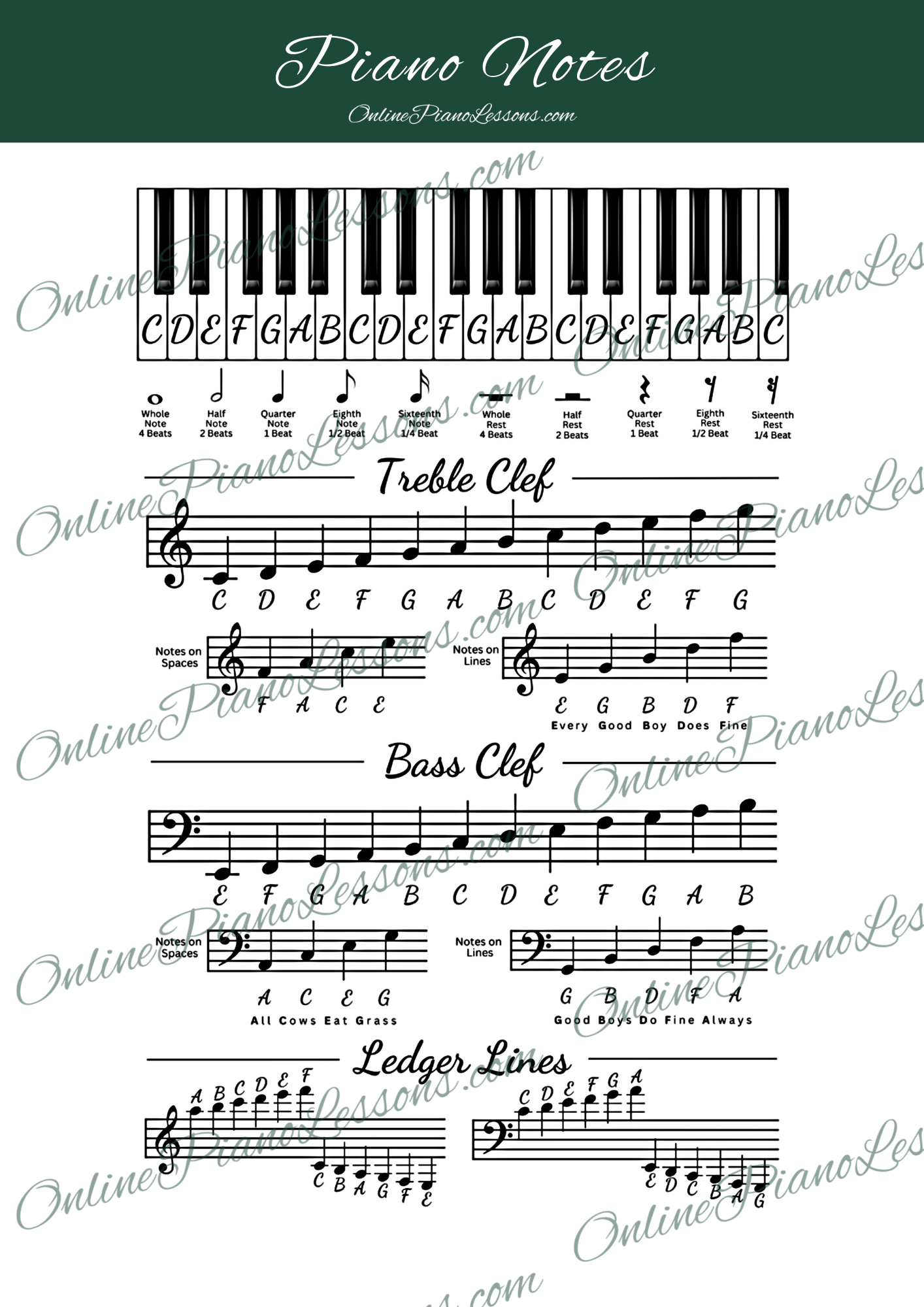
The D major pentatonic scale is a five-note scale built from the D major scale by omitting the 4th and 7th degrees. In scale-degree terms it uses 1–2–3–5–6. On the piano the notes are:
D — E — F♯ — A — B — (D)
Because the D major pentatonic scale removes half-step tensions found in the full major scale (no 4th or 7th), it sounds open, consonant, and immediate—qualities that make it great for improvisation and memorable melody making on the piano.
How To Find And Play The D Major Pentatonic Scale On The Piano
Finding the D major pentatonic scale on the piano is very straightforward:
- Locate D (white key between the group of two black keys).
- From D move up a whole step to E.
- Move up a whole step to F♯.
- Skip G (the 4th) and move up a minor third to A.
- Move up a whole step to B.
- Return to D.
So the pattern you play is: D → E → F♯ → A → B → D.
Recommended fingering (one octave):
Right hand ascending: 1 (D) – 2 (E) – 3 (F♯) – 1 (A) – 2 (B) – 3 (D)
Left hand ascending: 5 (D) – 3 (E) – 2 (F♯) – 1 (A) – 3 (B) – 1 (D)
These fingerings help thumb passages and keep your hand shape relaxed. On the piano, use a flexible wrist and curved fingers for even tone across the scale.
Why The D Major Pentatonic Scale Is So Useful On The Piano
There are several reasons the D major pentatonic scale is a staple for piano players:
- Instantly musical: Because it lacks dissonant half steps, melodies made from the D major pentatonic scale tend to sound pleasing even when improvised. On piano this means beginners can make strong musical choices quickly.
- Comfortable hand shape: The scale’s layout fits naturally under both hands, making two-handed playing and transposition easy on the piano.
- Cross-genre versatility: Use the D major pentatonic scale for pop hooks, folk tunes, country licks, jazz fragments, and ambient textures. It’s a universal melodic vocabulary for piano.
- Great for ear training: Practicing the D major pentatonic scale trains your ear to hear modal shapes, chord tones, and melodic contours that appear throughout music.
- Composition shortcut: When you need a hook or motif, the D major pentatonic scale provides a fast, reliable palette for the piano.
Because of these strengths, the D major pentatonic scale should be a basic tool for any pianist’s repertoire.
Basic Exercises For Mastering The D Major Pentatonic Scale On Piano
Here are practical exercises to internalize the D major pentatonic scale on the piano:
- One-octave scale runs: Play slowly with a metronome, hands separately, then together. Focus on even touch and steady rhythm.
- Two-octave patterns: Extend the shape across octaves to build hand span and coordination.
- Three-note sequences: Practice sequences such as 1–2–3, 2–3–5, 3–5–6 and sequence them up the scale for finger agility.
- Arpeggio shapes: Outline implied triads (D, F♯m, Bm) using pentatonic notes and invert them.
- Motif building: Create 2-bar motifs using pentatonic notes and vary rhythm, dynamics, and register.
- Improvise over a drone: Hold a D in the left hand and improvise with the D major pentatonic scale in the right hand to explore color and phrasing.
Short, daily practice (10–20 minutes) applying these drills will make the D major pentatonic scale feel natural on the piano.
Melodic Ideas and Licks Using The D Major Pentatonic Scale
Below are musical shapes that translate well to the piano using the D major pentatonic scale:
- Descending hook: B → A → F♯ → E → D (use legato for singing phrases)
- Repeated motif: D–F♯–A–F♯ (repeat with rhythmic variation)
- Call-and-response: right hand plays a 2-bar phrase, left hand answers with chordal support using root and fifth.
- Step-leap combo: E → F♯ → A → B (mix steps and small leaps for interest)
Record yourself playing these licks on the piano, then vary dynamics and articulation to discover new expressive possibilities.
Harmonies That Fit The D Major Pentatonic Scale
The D major pentatonic scale pairs well with several chord types on the piano:
- D major (I): D–F♯–A — the pentatonic scale outlines this triad clearly.
- G major (IV): G–B–D — pentatonic notes offer melodic color over IV.
- A major (V): A–C♯–E — pentatonic notes like C♯ and F♯ work melodically over V.
- Bm (vi): B–D–F♯ — the pentatonic scale shares many tones with the vi chord, useful for modal interchange.
When comping on the piano, voice chords with space—omit redundant notes to let pentatonic melodies sing naturally on top of the harmony.
Improvisation Tips for Piano Using D Major Pentatonic
If you want to improvise with the D major pentatonic scale on the piano, follow this simple roadmap:
- Start with a static I–IV–V loop (D → G → A) or a two-chord vamp (D → A).
- Play short motifs of 2–4 notes from the D major pentatonic scale. Repeat and vary rhythm.
- Target chord tones (D, F♯, A) on downbeats to create musical resolution.
- Use space—rests and short phrases are more effective than long runs.
- Gradually add ornamentation—grace notes, slides, and arpeggiated fills—to make phrases expressive.
Because pentatonic notes are forgiving, the D major pentatonic scale allows beginners to perform plausible solos quickly while learning phrasing and dynamics on the piano.
Compositional Uses Of The D Major Pentatonic Scale On Piano
Writers and producers love pentatonic scales for melodic simplicity and universality. On piano, the D major pentatonic scale is useful for:
- Top-line hooks (vocal or instrumental) that stick in listeners’ heads.
- Intro riffs that repeat and set the mood without overwhelming harmony.
- Modal or ambient pieces where a simple five-note palette creates calm textures.
- Film cues and underscoring where pentatonic melodies convey innocence, openness, or folk character.
Try composing a 16-bar piece on the piano that uses only the D major pentatonic scale for the main melody—you’ll be surprised how many variations you can create.

Common Mistakes And How To Fix Them
Beginners often fall into a few traps when using the D major pentatonic scale on piano:
- Over-repetition: repeating the same lick becomes boring. Fix: vary rhythm, register, and articulation.
- Ignoring chord tones: never landing on chord tones makes lines float aimlessly. Fix: target D, F♯, or A on strong beats.
- Mechanically playing: dynamics and phrasing are essential—don’t play everything at the same volume. Fix: practice crescendos, accents, and legato vs staccato.
- Poor fingering choices: use recommended fingerings for smooth thumb crosses and efficiency.
Address these issues early to keep your pentatonic playing musical and balanced on the piano.
Practice Plan (15 Minutes)
- 2 min: warm-up stretches and five-finger pattern around D.
- 4 min: one-octave D major pentatonic scale hands separately, then together (metronome).
- 4 min: practice three-note sequences and motif variations.
- 3 min: improvise 8 bars over D–G–A loop, focus on phrasing.
- 2 min: write a 4-bar hook using pentatonic notes and practice repeat.
Short, consistent sessions are extremely effective—do this daily and you’ll see quick results.
Final Thoughts
The D major pentatonic scale is a practical, musical, and enjoyable scale to master on the piano. Whether you’re learning to improvise, composing a hook, or teaching students, the D major pentatonic scale provides a reliable platform for creativity. Practice the patterns, work on chord relationships, and use the scale daily—soon you’ll find it becoming one of your most natural musical tools.
FAQ
What notes are in the D major pentatonic scale?
D, E, F♯, A, B. Those five notes define the D major pentatonic scale on the piano.
How do I play the D major pentatonic scale on piano?
Find D on the keyboard and play D → E → F♯ → A → B → D. Use right-hand fingering 1–2–3–1–2–3 ascending and left-hand 5–3–2–1–3–1.
Why is the D major pentatonic scale good for improvisation?
It removes half-step dissonance and contains strong chord tones, so lines sound musical over common harmonies like I–IV–V in D.
Which chords fit with the D major pentatonic scale?
D major (I), G major (IV), A major (V), and B minor (vi) all harmonize naturally with pentatonic lines.
Can I use the D major pentatonic scale in other keys?
Yes—transpose the same pattern to any root. The shape and interval structure remain the same on piano.

 I love playing piano, creating new melodies and songs, and further developing my online piano course and making updates/additions to my site OnlinePianoLessons.com!
  Now that is what I call fun!